
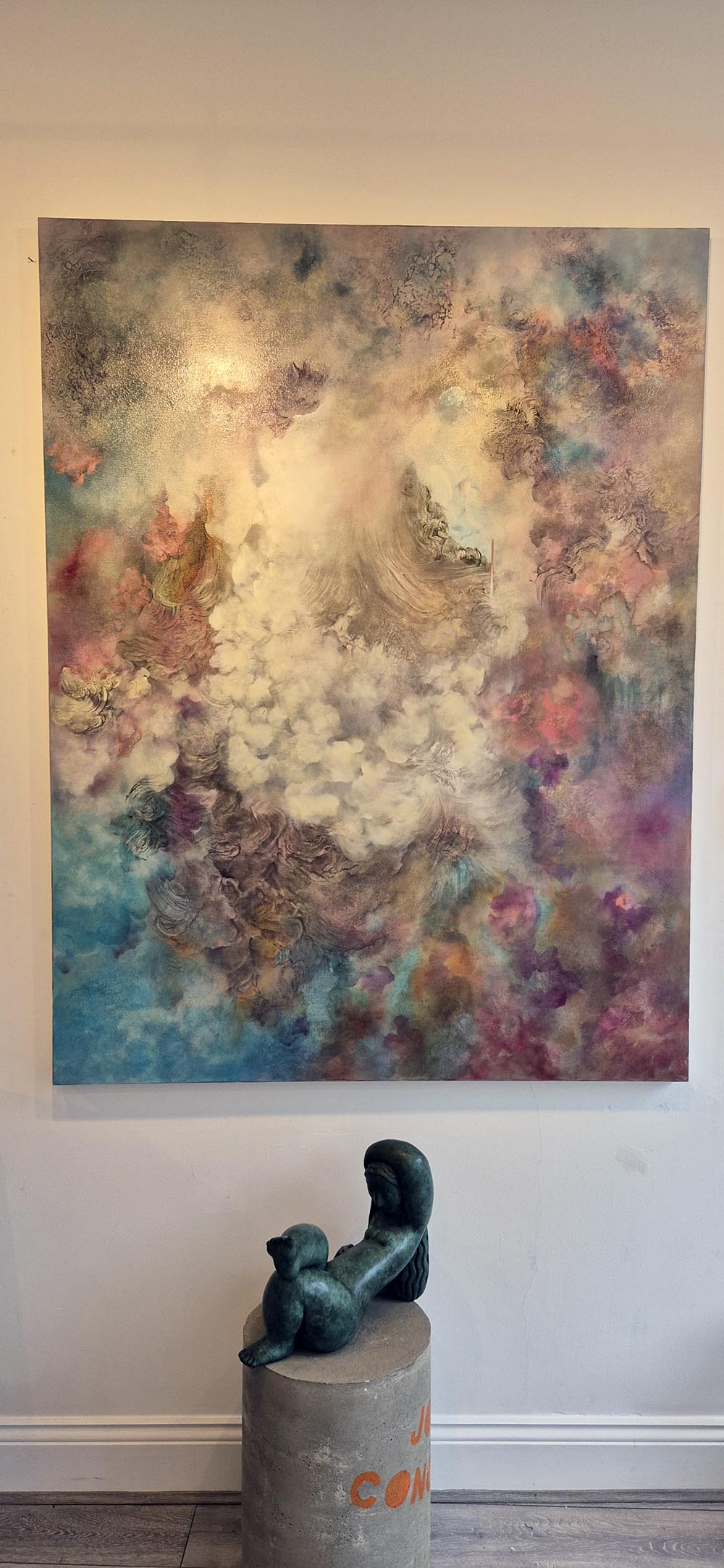
Lacuna 2018
Oil on Canvas
170 x 130 x 4 cm
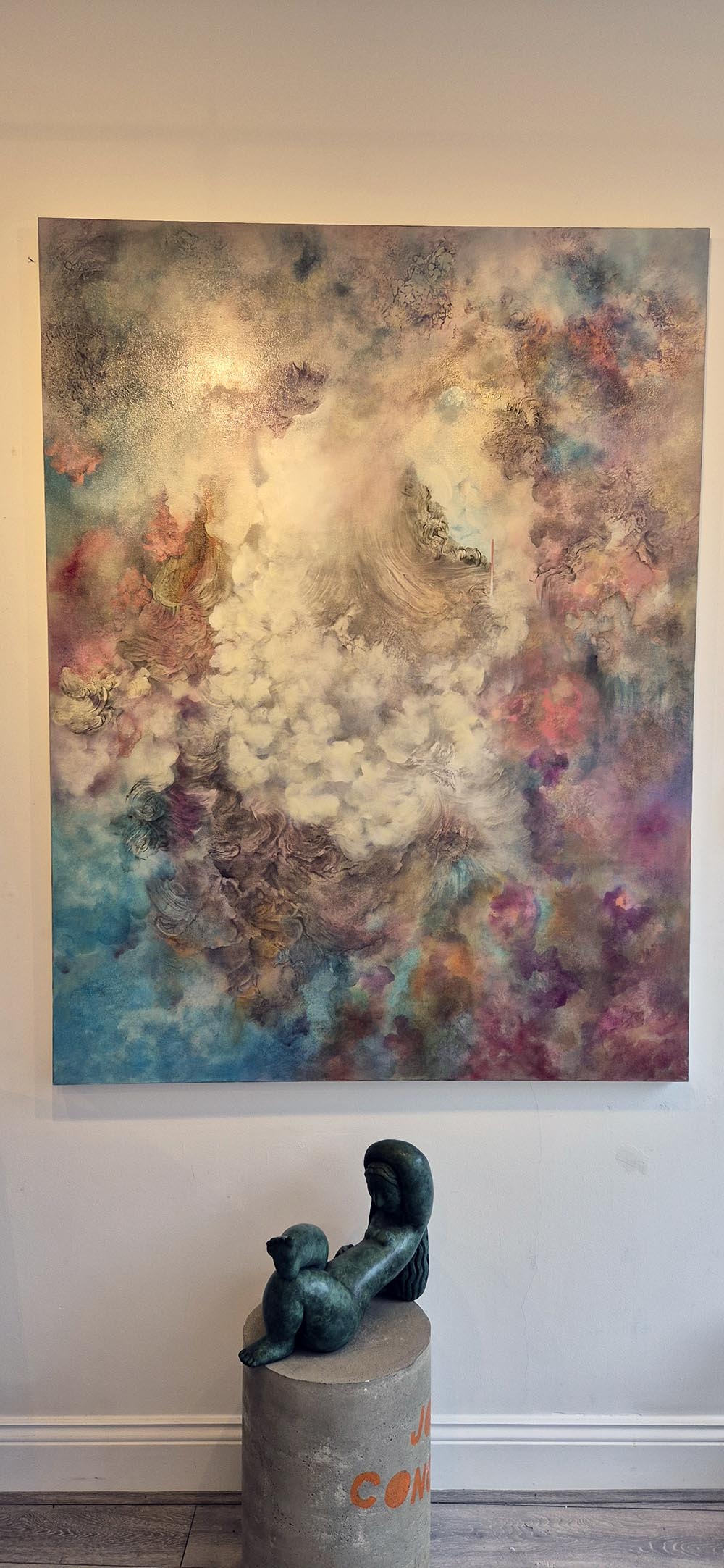
Lacuna 2018
Oil on Canvas
170 x 130 x 4 cm

The Chunky Gene 2022
Oil on Paper
42 x 47 cm Framed
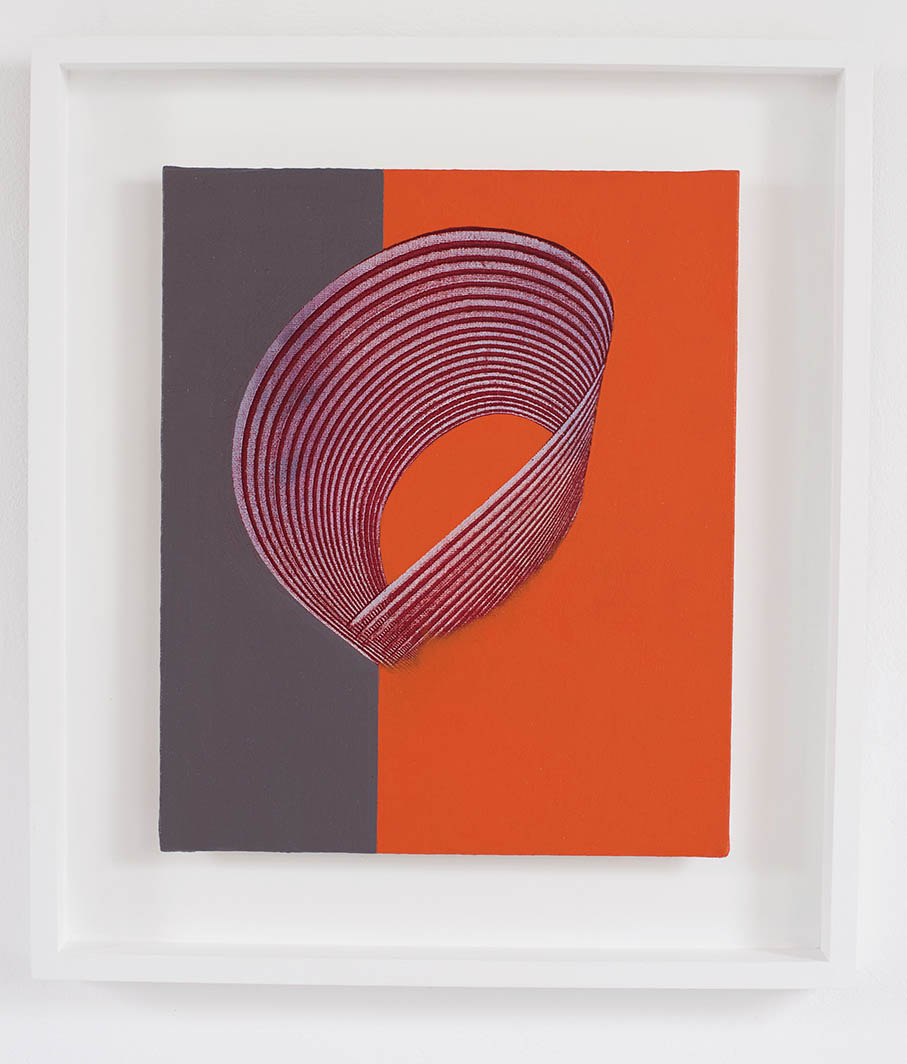
TATA Box 2019
Oil on Paper
42 x 47 cm. Framed
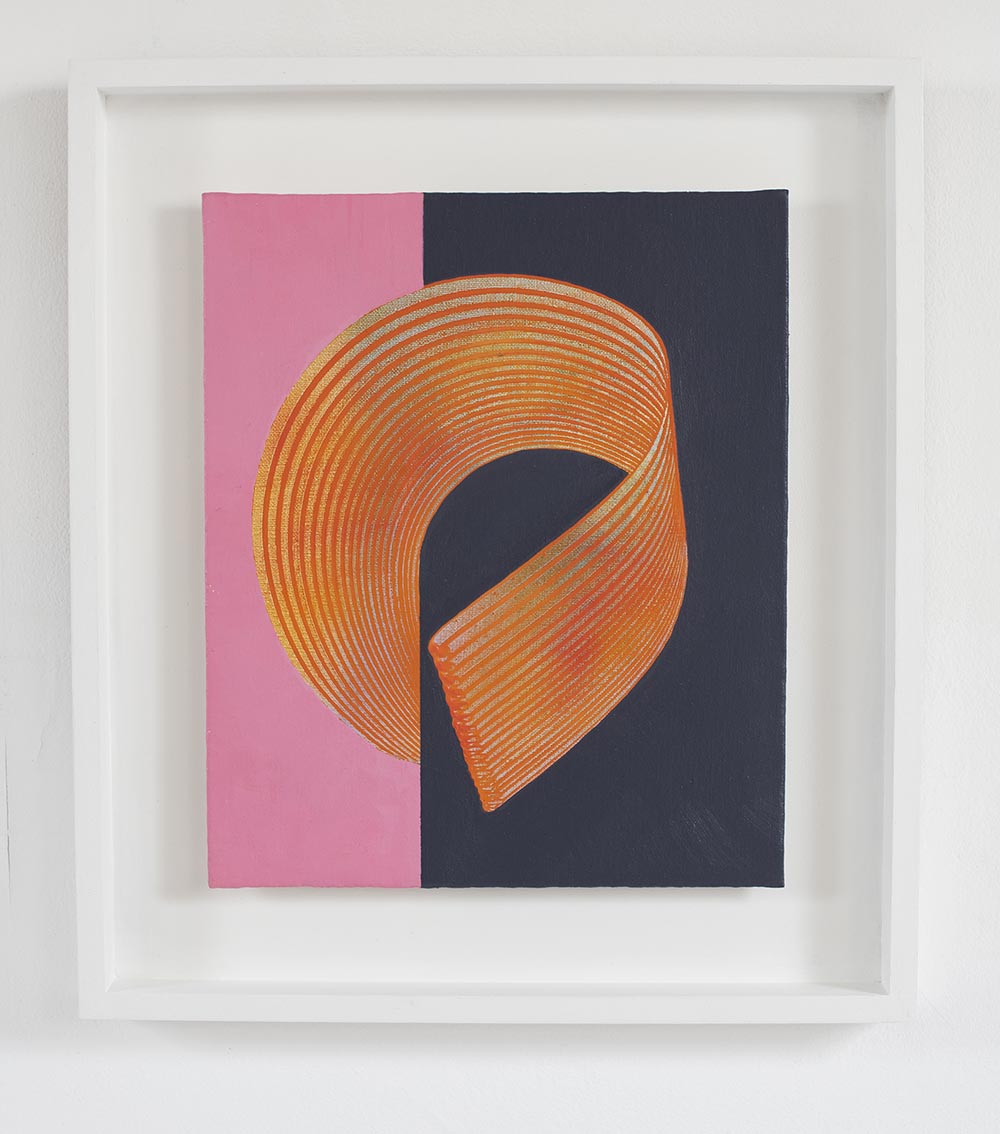
The Cell Line 2019
Oil on Paper
42 x 47 cm. Framed
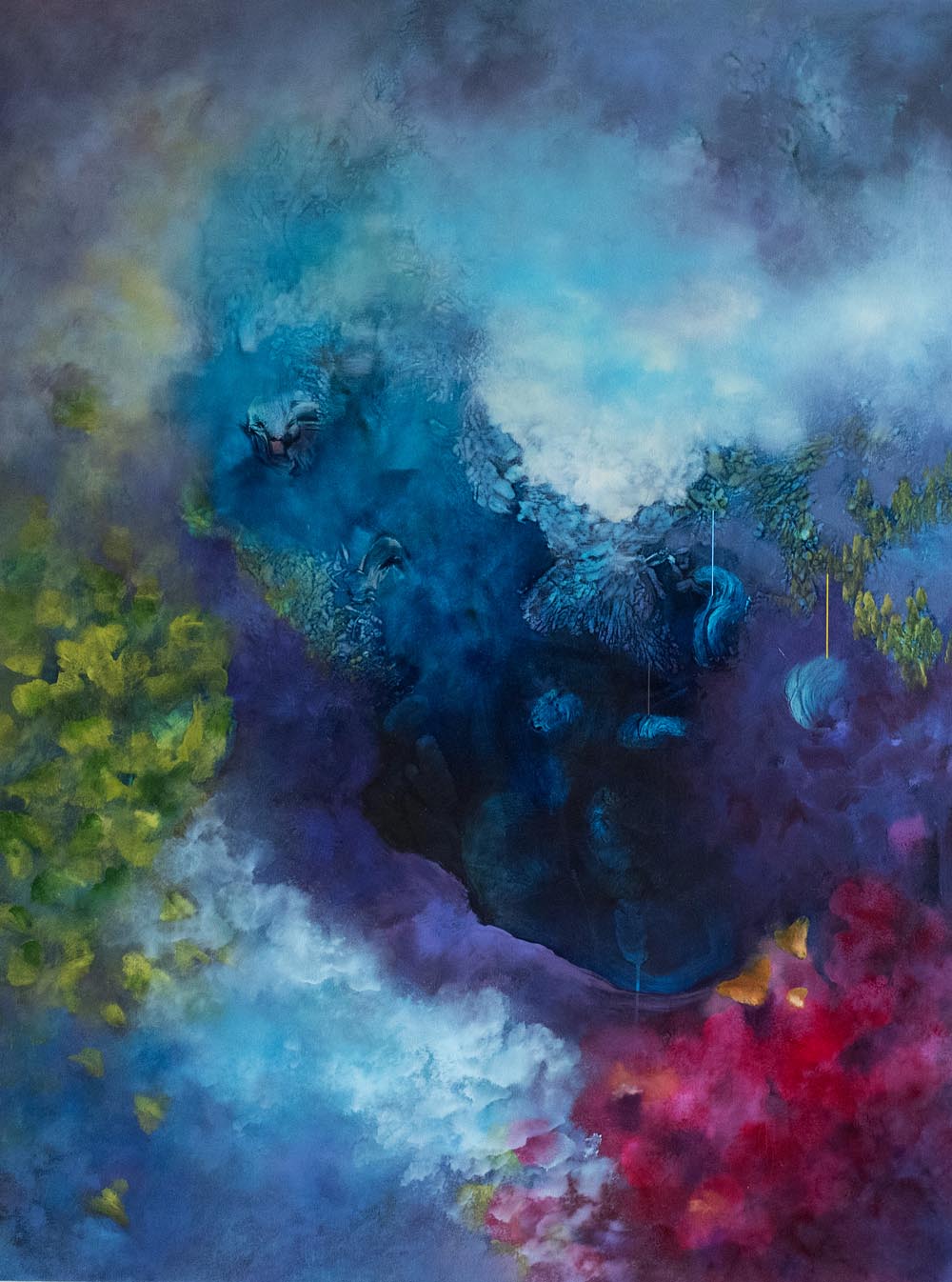
Now Is All There Is 2024
Oil on Canvas
140 x 105 cm
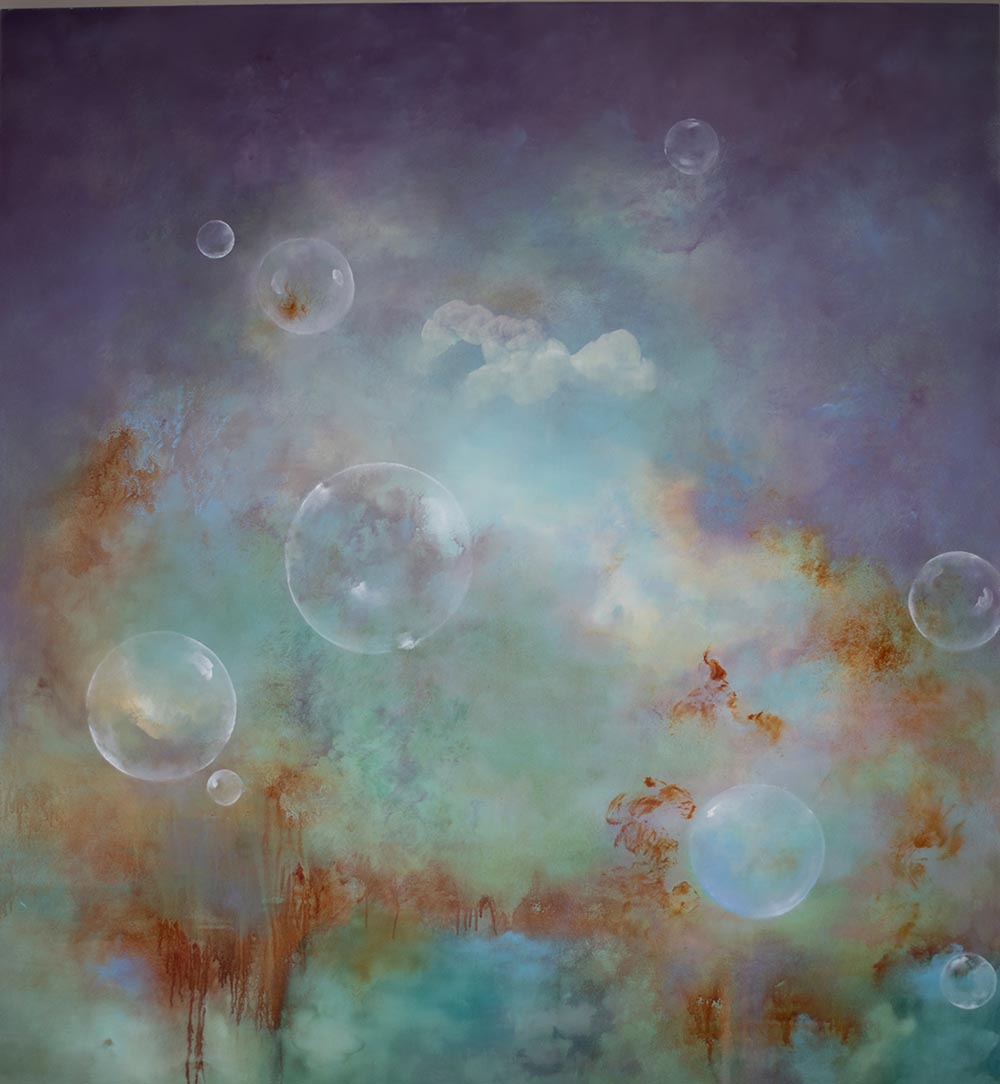
On the Breath of Limbs 2024
Oil on Canvas
130 x 120 x 4 cm

The Paradox of Terror and Beauty 2020
Oil on Canvas
190 x 140 cm

Geography of The Inner Life 2025
Oil on Linen
100 x 140 cm
SUZI MORRIS, DFA, is a Scottish artist whose paintings emerge from a fascination with the body as a vessel of life, where the sublime reveals itself not in grandeur, but in the quiet intelligence of tissue, cell and gesture.
Painting the inner body – its rhythms, ruptures, silences and sensibilities – becomes an act of reclaiming subjectivity over spectacle: ‘I will not be seen on your terms but felt on mine.’ In this context, abstraction becomes political: it resists the demand for the body to be visible, legible or consumable. Instead of offering image, it offers sensation – on Morris’s own terms. Embodiment becomes not only a method, but a force of agency – a container of power, a language in itself.
Built through luminous layers of glaze that echo colour field traditions, these paintings: human landscapes, resist planning to reveal a visceral interplay between imagination, embodied knowledge and material negotiation. Her research explores the macro within the micro, and is informed by current biomedical discourse, just as Redon and Kupka once responded to microbes and X-rays.
Morris completed her MA in Fine Art at City and Guilds of London Art School, followed by a Professional Doctorate in Fine Art (DFA) at UEL. An affiliation with the School of Medicine at Imperial College London deepened her understanding of painting as a corporeal process. She has exhibited internationally and her work is held in private collections. Texts on Morris’s paintings include The Viral Sublime, ‘Painting the Virus’ (Modern Painters), and ‘Of Blooded Things’, an essay by Cherry Smyth. She works from her London studio.
“I enjoy the ways that the visceral qualities in paint articulate and expose interior states that can’t exist in virtual space. My studio practice operates at the intersection of material practice and psychological inquiry.
The paintings hold a space for our inner world when the external world moves too fast – offering a slow embodied space for feeling and perception. Multi-layered oil glaze paintings explore the shifting relationship between the mind and body, each layer acting as a trace of internal states of subconscious gesture.
The works become a rare space where internal experience, sensory perception, and emotional depth are allowed to surface slowly, offering viewers not just something to look at, but something to feel and inhabit – a site where perception, memory and sensation intertwine. “
“Living in the genomic era I see new technologies revealing hidden structures and sensibilities within the body and realise that my visceral, multi-layered paintings make perceptual and embodied experience visible. They restore painting as a medium for inhabiting interiority.”
Suzi Morris